Sports Betting 101
How Do I Bet on Sports?
1. Basic Types of Sports Bets
A. Point Spread (Most Common)
A point spread is used to make unevenly matched teams more equal for betting purposes.
Example:
- Cowboys -6.5
- Giants +6.5
This means:
- Cowboys must win by 7 or more points for a Cowboys bet to win.
- Giants can win outright OR lose by 6 or fewer points for a Giants bet to win.
The spread creates a 50/50-style betting scenario.
B. Moneyline (Straight Win/Loss)
Moneyline bets ignore the spread. You are simply betting on who wins.
Example:
- Lakers -150
- Bulls +130
This means:
- Betting $150 on Lakers wins $100 profit.
- Betting $100 on Bulls wins $130 profit.
C. Over/Under (Totals)
You bet on the total combined score.
Example:
- Over/Under: 48.5
If the final score is:
- 28–24 = 52 → Over wins
- 21–17 = 38 → Under wins
2. Understanding American Odds
American odds show risk vs. reward.
Negative Odds (Favorite)
Example: -110
This means:
- You must bet $110 to win $100
- Used for point spreads and totals most often
Positive Odds (Underdog)
Example: +150
This means:
- You bet $100 to win $150
- Higher payout, lower probability
3. What Is the Vig?
The vig (short for vigorish) is the sportsbook’s built-in commission.
Most point spreads and totals are listed at:
-110 / -110
That means:
- You bet $110 to win $100
- The extra $10 is the vig
Why the Vig Matters
If two people bet $110 on opposite sides:
Bettor A Team A $110
Bettor B Team B $110
Total collected: $220
Winner paid: $210
Sportsbook keeps: $10
That $10 is the vig.
4. How Sportsbooks Make Money
Myth: Sportsbooks try to predict winners
Reality: Sportsbooks try to balance action
Their goal is not to be right—it is to get equal money on both sides.
Example:
Game line opens:
- Team A -3.5
- Team B +3.5
If too much money comes in on Team A, the sportsbook may move the line:
- New line: Team A -4.5
- Team B +4.5
This encourages more bets on Team B, balancing the money.
5. Why Line Movement Happens
Line movement is driven by:
- Heavy betting on one side
- Injury news
- Weather
- Sharp (professional) bettors
The sportsbook adjusts to reduce risk, not to predict outcomes.
6. Why You Must Win More Than 50%
Because of the vig, you must win more than 50% of your bets to be profitable.
At -110 odds:
Break-even win rate = 52.38%
If you win exactly 50%, you lose money long-term.
7. Simple Example of Profit vs Loss
Record Result
5–5 -$50
6–4 +$160
7–3 +$370
4–6 -$260
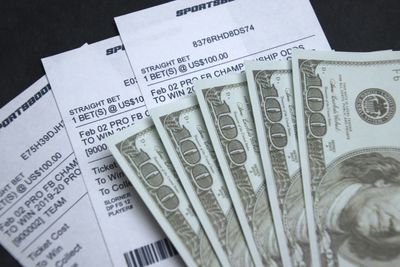
- Sportsbook Winning Tickets